
Do You Need a Permit to Remodel in Massachusetts?
· By Josué Santos
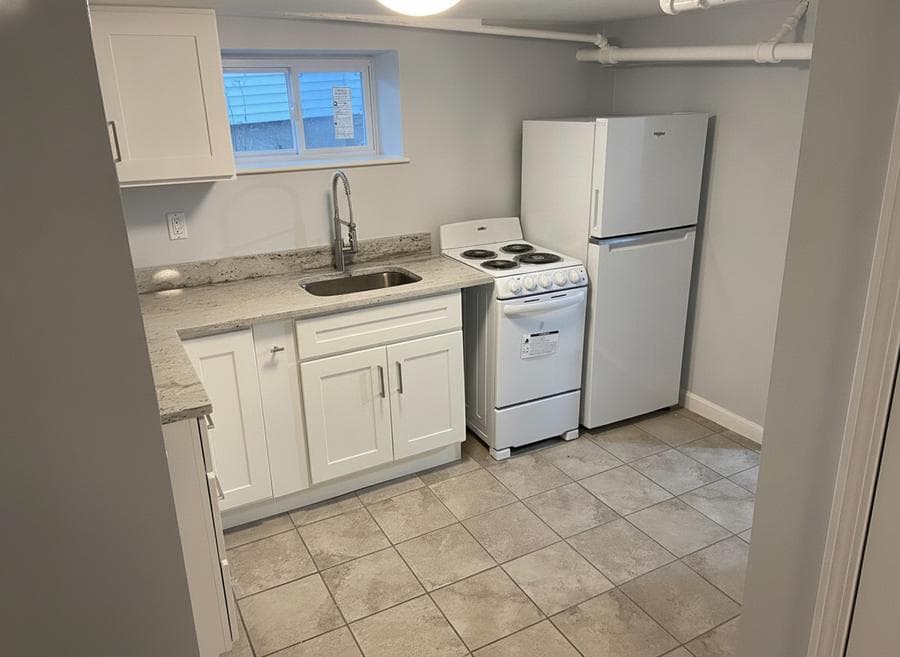
One of the first questions homeowners ask before starting a project is whether they need a permit to remodel. In Massachusetts the short answer is that many projects do, but not all of them, and the details depend on the work you are doing and the town you live in. Getting this right matters, because a permit is not just paperwork. It is the record that your remodel was built to code and inspected along the way.
This guide walks through what generally needs a permit and what usually does not, how building, electrical, and plumbing permits differ, and how the process works with your local building department. It also covers why permits protect your resale value and insurance, who is responsible for pulling them, and what can go wrong when they are skipped. Requirements vary from one town to the next across the South Shore and the rest of Massachusetts, so always confirm the specifics with your own building department before work begins.
What generally needs a permit and what usually does not
As a rule of thumb, work that changes the structure, systems, or safety of your home needs a building permit in Massachusetts. That includes things like removing or moving walls, building an addition, finishing a basement or attic, replacing a roof, altering the footprint of the house, changing window or door openings, and most kitchen or bathroom remodels that touch framing, plumbing, or wiring. If the project affects how the house is built or how its systems run, plan on a permit.
On the other hand, purely cosmetic work usually does not require one. Painting, wallpapering, installing new flooring over an existing subfloor, swapping cabinet hardware, and similar surface updates are generally exempt. The line can get blurry fast, though. Replacing a like-for-like faucet may be fine on its own, while moving that faucet to a new location crosses into permit territory because it involves new plumbing.
Because the exact thresholds are set locally, the safest move is a quick call to your town building department before you start. Towns across the South Shore, from Bridgewater to Middleborough, follow the statewide building code but apply it through their own permitting process, so what counts as a minor repair in one office may be treated differently in another. A good contractor makes this call for you as a normal first step.
Building, electrical, and plumbing permits are separate
Massachusetts treats different trades under different permits, and a single remodel can require more than one. The building permit covers the structural and general construction side of the work, such as framing, walls, roofing, and additions. It is usually the umbrella permit that the overall project is filed under.
Electrical and plumbing work fall under their own permits, pulled by the licensed electrician and licensed plumber doing that portion of the job. Massachusetts requires these trades to be performed by licensed professionals, and the permit is tied to that license. So a kitchen remodel that adds outlets, moves a sink, and reworks the layout could easily involve a building permit, an electrical permit, and a plumbing permit all at once, each with its own inspection.
This is one reason coordinating a remodel yourself gets complicated. Each permit has to be pulled by the right party, scheduled around the right inspections, and closed out properly at the end. When one company manages the project, it lines up the licensed trades and keeps the permits moving together instead of leaving you to chase separate offices and inspectors.
How the process works with your local building department
The permitting process starts with an application filed with your town or city building department. For anything beyond simple work, that application typically includes a description of the project, plans or drawings, and sometimes details about the contractors and their licenses. The building department reviews the submission to confirm it meets the Massachusetts building code and local requirements before issuing the permit.
Once the permit is issued and work begins, inspections happen at key stages. For a remodel that opens up walls, an inspector often checks the framing, electrical rough-in, and plumbing rough-in before those areas are closed up, then returns for a final inspection once the work is finished. Passing these inspections is how the town verifies the work was done correctly and safely at each step.
Timelines and exact submittal requirements differ by town, and busier building departments can take longer to review and schedule. Rather than guess, treat the building department as a partner in the project. Contractors who work regularly in South Shore towns already know each office and can plan the schedule around realistic review and inspection windows so the job keeps moving.
Why permits protect your resale value and insurance
Permits are easy to view as a hassle until you go to sell your home. During a sale, buyers and their agents often ask about work done to the property, and unpermitted remodels can surface during the buyer inspection or a title search. When they do, they can slow down or derail a deal, force you to open up finished work for a late inspection, or lead buyers to ask for a price reduction to cover the uncertainty.
Insurance is the other side of the same coin. If a problem later traces back to unpermitted work, such as a fire linked to unpermitted wiring or water damage from unpermitted plumbing, an insurer may question or deny the claim. Permitted, inspected work gives you documentation that the remodel met code, which protects both the coverage you pay for and the value you built into the home.
There is also a simpler benefit. A permit and its inspections are an independent check that the work is sound. For a family investing in their home on the South Shore, that record is proof the remodel was done right, which is worth far more than the modest cost and time the permit adds up front.
Who pulls the permit, the contractor or the homeowner
For most remodels, the contractor doing the work pulls the building permit, and that is generally how it should be. In Massachusetts, when a licensed construction supervisor or registered contractor pulls the permit, they take on responsibility for the work meeting code. That accountability is a protection for you, since the professional standing behind the permit is the one answering to the inspector.
Homeowners can sometimes pull their own permit as an owner on an owner-occupied home, but doing so shifts that responsibility onto you. You become the party accountable for the work passing inspection and meeting code, even when a crew is doing the actual labor. It also means you handle the applications, scheduling, and inspection coordination yourself.
The practical takeaway is to be cautious if a contractor asks you to pull the permit in your own name for work they are performing. That is often a sign to ask more questions. A reputable company pulls the appropriate permits under its own license as part of the job, and treats permitting as its responsibility rather than yours.
The risks of skipping permits
Skipping permits can feel like a shortcut that saves money and time, but the downside is real. If the town discovers unpermitted work, it can issue a stop-work order, require you to apply for the permit after the fact, and in some cases make you open up finished walls so the work can be inspected. Retroactive permitting and rework can cost far more than doing it right the first time.
Beyond the town, unpermitted work follows the house. It can complicate a future sale, raise questions with your insurer, and leave you without any record that the remodel met code. If the work was not inspected, there is also no independent confirmation that the framing, wiring, or plumbing behind your walls was done safely, which is exactly where hidden problems tend to live.
The honest reality is that a permit is a small, predictable cost that buys real protection. Fees and requirements vary by town, so rather than quote a figure here, the better step is to let a contractor confirm what your specific project needs. When permitting is handled correctly from the start, you avoid the expensive surprises entirely.
Frequently asked questions
- Does every remodel in Massachusetts need a permit?
- No. Structural, electrical, and plumbing work almost always needs a permit, while purely cosmetic updates like painting or new flooring over an existing subfloor usually do not. Because the thresholds are set locally, confirm your specific project with your town building department before you start.
- Can I pull my own remodeling permit as a homeowner?
- In many cases an owner of an owner-occupied home can, but pulling the permit yourself makes you the party responsible for the work meeting code and passing inspection. Be cautious if a contractor asks you to pull a permit in your name for work they are doing, since a reputable company files under its own license.
- How long does the permit process take?
- It depends on the town and the size of the project. The building department reviews the application first, then inspections happen at key stages as the work progresses. Busier offices can take longer, so contractors who work regularly in South Shore towns plan the schedule around realistic review and inspection windows.
- What happens if I remodel without a permit?
- If the town finds unpermitted work, it can issue a stop-work order, require a permit after the fact, and even make you open up finished areas for inspection. Unpermitted work can also complicate a future home sale and create problems with insurance claims, so it usually costs far more than doing it right the first time.
- Will you handle the permits for my project?
- Yes. Jr Santos Construction Corp is a family owned company serving Bridgewater and the South Shore, and we handle the appropriate permits and inspections as part of the job so you do not have to. Book a free in-home estimate and we will confirm exactly what your remodel needs.
Related services
Found this helpful? Make us a preferred source on Google.
Ready for an exact price?
Get a free, no-pressure in-home estimate. Real numbers for your home, not a phone guess.