
Deck vs Patio: Which Is Right for Your South Shore Backyard?
· By Josué Santos
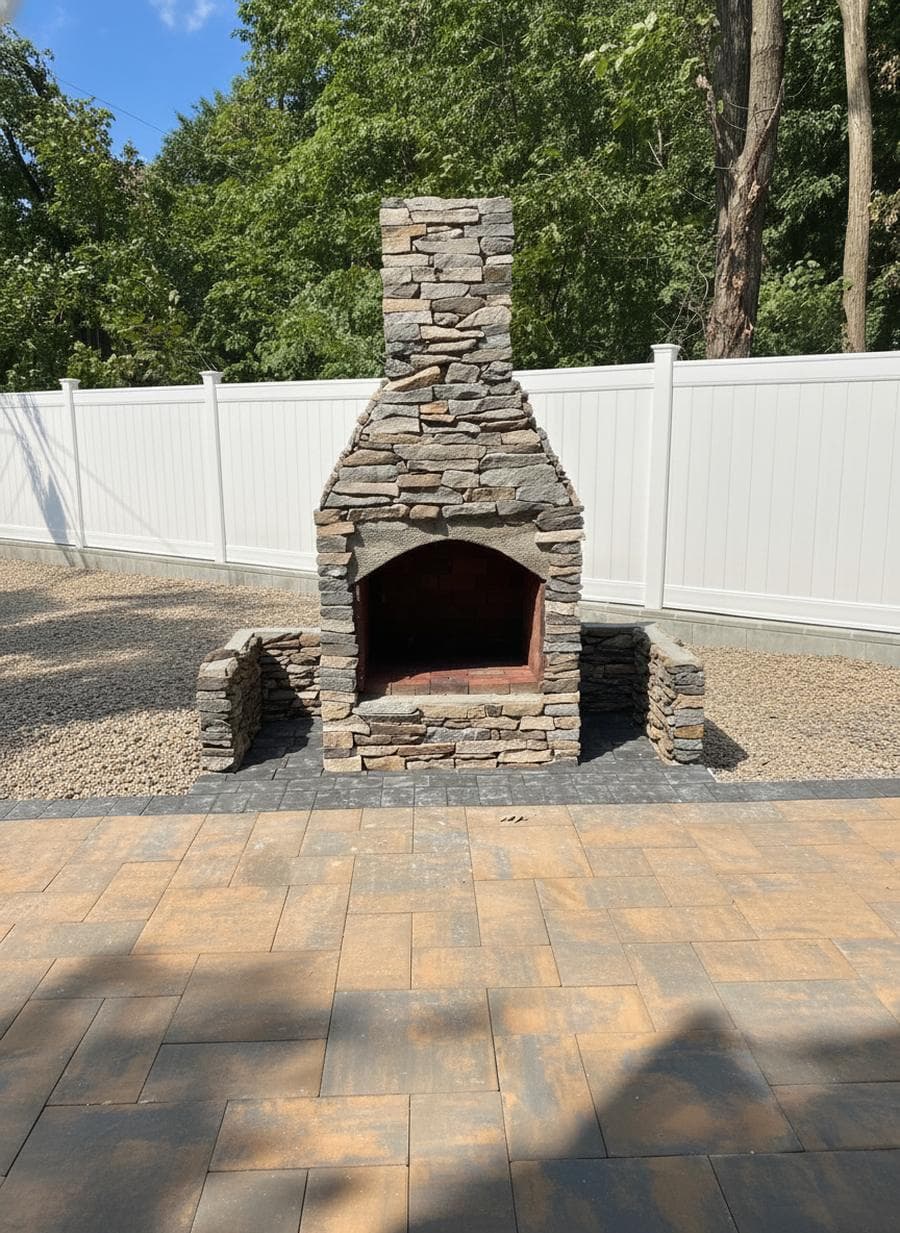
If you are planning to make more of your backyard, the first fork in the road is usually the same one: deck or patio. Both give you a place to gather, cook, and relax outside, but they are built differently, they cost differently, and they age differently. The right answer depends far more on your yard and how you plan to use it than on which one looks nicer in a photo.
This guide lays out the real trade-offs so you can decide with clear eyes instead of guessing. We will walk through cost, how your yard grade points you toward one or the other, upkeep, resale value, and how New England freeze and thaw cycles affect each. By the end you should know which fits your South Shore, MA home, and whether the smartest move is actually a bit of both.
Cost comparison: what you are really paying for
The honest short answer is that a basic patio is often the more affordable place to start, while a deck can range widely depending on height, material, and railings. A ground-level paver or stone patio has no framing, footings, or railing to build, so a straightforward installation typically lands on the lower end. A deck adds structure: posts, beams, joists, fasteners, and code-required railings, all of which take labor and material.
Material choice changes the math on both sides. On a patio, concrete pavers usually cost less than natural stone or high-end porcelain. On a deck, pressure-treated lumber is the entry point, while composite and premium hardwoods sit higher. A large elevated deck with stairs, lighting, and composite boards can end up costing more than a comparable stone patio, so a like-for-like comparison only works once the design is set.
Because every yard, size, and finish is different, treat any figure you read online as a rough market range rather than a quote for your project. The reliable way to compare the two options for your specific backyard is a free in-home estimate where both can be priced against the same layout and finish level.
Yard grade and slope: which one your land wants
Your yard often makes the decision before budget does. If your backyard is flat or close to it, a patio sits naturally on the ground and needs less prep to build a level surface. If the ground drops away from the house, a patio would require retaining walls or a lot of fill to stay level, which adds cost and complexity fast.
A deck shines on a sloped or uneven lot. Because it is a framed structure on footings, it can extend out over a grade change and stay perfectly level with your back door, no matter what the ground does underneath. Decks are also the natural choice when your main living floor sits well above grade and you want to step straight out without a long run of stairs.
Drainage matters too. A patio has to be pitched correctly and set on a proper base so water sheds away from the house instead of pooling. Many South Shore lots have clay-heavy or damp soil, so the base preparation under a patio is not a corner to cut. A quick look at your grade during a site visit usually makes the better option obvious.
Maintenance: honest upkeep for each
Patios are generally the lower-maintenance option over the long run. A stone or paver patio has no boards to rot, no fasteners to back out, and no railing to reseal. The main upkeep is occasional cleaning, weed control between joints, and re-sanding the joints every few years. Individual pavers can be lifted and reset if one settles, which is a simpler fix than it sounds.
Decks ask for more attention, and how much depends on the material. A pressure-treated wood deck needs cleaning and resealing or staining on a regular cycle to fight moisture, and boards or fasteners may need replacing over the years. Composite decking cuts most of that work, since it does not need sealing and resists rot, though it still benefits from routine cleaning and costs more up front.
Neither option is maintenance-free, but the pattern is clear: a patio trades a bit more base preparation at the start for less ongoing work, while a wood deck trades a lower entry point for a recurring upkeep schedule. If low effort is a priority, that difference is worth weighing carefully.
Resale value and return on investment
Both decks and patios are among the outdoor projects buyers respond to, because usable outdoor living space is a genuine selling point in New England, where the warm season is precious. A well-built, well-integrated outdoor space tends to help a home show better and feel larger than its square footage suggests.
What actually drives return is quality and fit, not the format. A patio or deck that matches the scale and style of the house, uses durable materials, and looks intentional will read as an asset. One that feels tacked on, undersized, or poorly built can do the opposite. Buyers also notice condition, so a low-maintenance surface that still looks fresh at sale time protects your investment.
For most homeowners the better question is not which one resells better in the abstract, but which one your particular buyers on the South Shore would expect and use. A family neighborhood with flat yards may favor a patio for entertaining, while a home with a raised back entry may practically call for a deck. Building the option that fits the house is what pays off.
New England climate and freeze-thaw cycles
Our winters are the real test, and freeze and thaw cycles are hard on outdoor structures. Water gets into small gaps, freezes, expands, and works things loose over time. This is why the details under the surface matter more here than in milder climates, for both decks and patios.
For a patio, the base is everything. A properly excavated and compacted gravel base with the right depth lets water drain and gives the pavers or stone room to handle ground movement without heaving or cracking. A patio set on a thin or poorly drained base is the one that shifts after a couple of Massachusetts winters, so the prep work you cannot see is what keeps the surface flat for years.
For a deck, footings need to reach below the frost line so the ground freezing and thawing does not push the posts up and rack the frame. Corrosion-resistant hardware and proper flashing where the deck meets the house keep moisture from doing quiet damage. Done right, both a deck and a patio hold up well on the South Shore, but both depend on building for the freeze-thaw reality rather than around it.
Design options and combining both
Each surface opens up different design directions. Patios lend themselves to built-in features that sit at ground level: a fire pit or fireplace, seating walls, an outdoor kitchen, and pathways that tie into landscaping. Stone and pavers come in a wide range of colors, shapes, and patterns, so the look can run from rustic to clean and modern.
Decks give you height, sight lines, and a strong connection to the back of the house. They suit built-in benches, planters, pergolas, railings that frame a view, and multi-level layouts that separate a dining zone from a lounge zone. When you want to step out from an elevated floor and take in the yard, a deck delivers that in a way a patio cannot.
You do not always have to choose. One of the most popular moves is combining both: a deck off the back door that steps down to a patio below, giving you an upper level connected to the house and a grounded space for a fire feature or dining set. This works especially well on the sloped lots common around the South Shore, where the deck handles the grade change and the patio anchors the lower, flatter part of the yard. If you are torn between the two, a design that uses both is often the answer worth pricing.
Frequently asked questions
- Is a deck or a patio cheaper?
- A basic ground-level patio is often the more affordable starting point, since it has no framing, footings, or railings. A deck can cost more once you add height, stairs, and premium boards, though a simple wood deck and a high-end stone patio can land in similar territory. Material and size drive the final number, so the fairest comparison comes from pricing both against the same design.
- Which is better for a sloped backyard?
- A deck usually wins on a sloped or uneven lot, because it is a framed structure on footings that stays level over a grade change without heavy fill or retaining walls. A patio is the natural fit on flat ground where it can sit on a properly prepared base with the right pitch for drainage.
- Which needs less maintenance over time?
- A stone or paver patio is generally lower maintenance, needing mostly cleaning and occasional joint re-sanding. A wood deck needs regular cleaning and resealing, while composite decking cuts most of that upkeep at a higher up-front cost. Neither is maintenance-free, but a patio trades more base prep at the start for less ongoing work.
- Will they hold up to New England winters?
- Yes, when they are built for freeze-thaw cycles. A patio needs a deep, well-drained, compacted base so it does not heave, and a deck needs footings below the frost line with corrosion-resistant hardware and proper flashing. The details under the surface are what keep both stable through Massachusetts winters.
- Can you help me decide which one fits my yard?
- Absolutely. The clearest way to choose is to have someone look at your grade, drainage, and how you plan to use the space, then price the options side by side. Jr Santos Construction Corp, a family owned company serving the South Shore, offers a free in-home estimate for decks and patios so you can compare both against your actual backyard before you commit.
Serving
Found this helpful? Make us a preferred source on Google.
Ready for an exact price?
Get a free, no-pressure in-home estimate. Real numbers for your home, not a phone guess.