
Bathroom Remodel Cost and Timeline in Massachusetts (2026)
· By Josué Santos
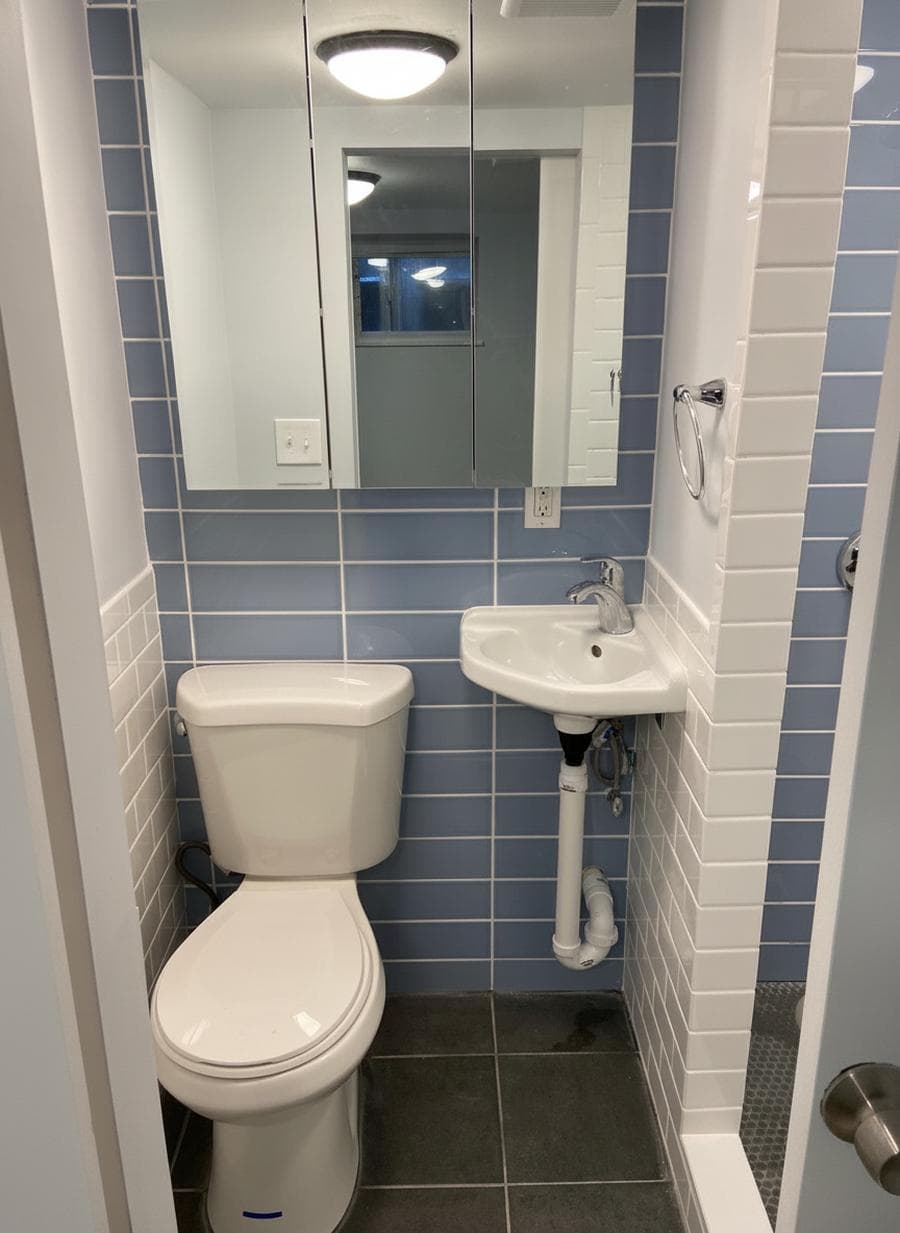
A bathroom is one of the hardest working rooms in any Massachusetts home, and it is also one of the most complex to remodel. Behind the tile and the new vanity sit plumbing, wiring, ventilation, and waterproofing that all have to work together in a small, wet space. That is why two bathrooms that look similar can land at very different numbers once you account for size, layout, and what the crew finds behind the walls.
This guide breaks down what actually drives bathroom remodel cost in Massachusetts, from the scope of the room to tile and waterproofing, plumbing changes, fixtures, ventilation, and the surprises common in older South Shore homes. It also covers a realistic timeline and permits. For a figure tied to your specific bathroom, the reliable path is always a free in-home estimate.
Scope: small bath, full bath, or primary suite
The size and role of the bathroom set the starting point for the budget. A small powder room or half bath with a sink and toilet is a far lighter project than a full bath with a tub or shower, and both are lighter than a primary suite with a large tiled shower, double vanity, and separate soaking tub. More fixtures, more tile, and more square footage each add labor and materials, so the number climbs with the scope.
How much of the existing room you keep also matters. A cosmetic refresh that reuses the current layout, tub, and plumbing locations costs less than a full gut that strips the space back to the studs. In Massachusetts, most homeowners planning a real remodel are looking at a full or near-full renovation, and market pricing for that work typically runs across a wide range depending on size and finish level. Rather than a single figure, treat scope as the first lever you control: decide early what stays and what goes.
Across the South Shore, older homes in towns like Bridgewater and Easton often have compact bathrooms carved out of tight floor plans. Naming your must-haves versus your nice-to-haves up front keeps the project focused and the budget honest before any tile is ordered.
Tile and waterproofing: where a bathroom is won or lost
Tile is the most visible part of a bathroom remodel, but the waterproofing underneath it is what protects your home. A shower or tub surround that is not properly waterproofed will eventually let moisture into the framing, and in the New England climate that means rot, mold, and repairs far more expensive than doing it right the first time. This is not a place to cut corners.
Modern showers are typically built with a waterproof membrane or backer board system behind the tile, a properly sloped and sealed pan, and the right setting materials for a wet environment. The cost varies with the amount of tile, the tile itself, and the complexity of the pattern. A simple subway tile surround sits at the lower end, while floor-to-ceiling large-format tile, mosaics, niches, and custom layouts push labor and material higher.
Because Massachusetts homes deal with real seasonal swings and high indoor humidity, the quality of the waterproofing and the tile setting directly affects how long the bathroom lasts. When you compare quotes, ask what waterproofing system is included. A cheaper number that skips a proper membrane is not the same project as one that does it correctly.
Plumbing relocation and layout changes
Working within the existing plumbing layout is far less expensive than moving it. Swapping a vanity or toilet in the same spot is straightforward. Moving the shower to a new wall, relocating the toilet, or adding a second sink means new supply and drain lines, and drain lines in particular have to maintain proper slope, which can require opening floors or ceilings below.
In older Massachusetts homes, the existing plumbing may also need attention before new fixtures can tie in. Aging galvanized supply lines, undersized drains, or venting that is not up to current code can surface once walls are open. Bringing that work up to standard adds to the budget, but it protects the whole system and is often required for the permit to pass inspection.
The takeaway is simple: layout changes that move water cost more than changes that keep it in place. If keeping the plumbing where it is still gets you the bathroom you want, that is one of the most effective ways to control the final number without giving up the look.
Vanity, fixtures, and finishes
Fixtures and finishes are where your budget has the most flexibility and where personal taste has the biggest effect on the total. Vanities, countertops, sinks, faucets, toilets, showerheads, lighting, and hardware all come in a wide range of price points. The same bathroom layout can be built with a stock vanity and standard fixtures or with a custom vanity, stone top, and higher-end trim, and the difference between those choices is significant.
The trade-off is not only price but durability. In a room that sees daily moisture, better-built fixtures and moisture-resistant materials tend to hold up longer, which can make them the better value over time. A common strategy is to mix tiers: spend on the pieces you touch and see every day, such as the vanity and faucet, and save on items that matter less to you.
A good contractor helps you match your finish choices to your budget instead of assuming the most expensive option. That conversation is easier once the scope and layout are settled, since fixtures are usually the last thing locked in before the work is scheduled.
Ventilation and older-home surprises
Ventilation is easy to overlook and important to get right, especially in Massachusetts. A properly sized and vented exhaust fan pulls humid air out of the bathroom and helps prevent the mold and moisture damage that a wet room in a cold climate is prone to. Many older bathrooms either lack a fan or have one that vents into the attic instead of outside, which is a common source of hidden moisture problems. Correcting that is a small line item that protects a big investment.
Older homes come with other surprises too. Once demolition begins, crews sometimes find water damage from a previous leak, outdated wiring that needs updating, framing that is not up to code, or subfloor that has softened under a long-standing leak around the tub or toilet. Experienced crews plan for the possibility of these issues, but no one can fully price them until the space is open, which is exactly why an in-home walkthrough before the project starts pays off.
This is one of the biggest differences between a bathroom in a newer build and one in a century-old South Shore home. The visible work may look the same, but what is behind the walls often decides the final cost.
Timeline and permits
Most full bathroom remodels take a few weeks from demolition to the final walkthrough, though the exact timeline depends on the scope, the fixtures, and what shows up behind the walls. A typical sequence runs from demolition to rough plumbing and electrical, inspection, waterproofing and tile, then vanity, fixtures, and finishing. Tile work in particular takes time because setting materials and grout need to cure before the next step.
Material lead times can stretch a schedule, so ordering the vanity, tile, and fixtures early keeps the project moving. Custom or special-order items are the most common cause of delay, which is another reason to lock in finishes before demolition rather than during the work.
Bathroom remodels almost always involve permits. Plumbing and electrical work require permits and inspections, and the specific requirements vary by town across Massachusetts and the South Shore. Rather than a fixed figure, treat permitting as a normal part of the project that your contractor should handle and explain as part of the estimate, including the inspection steps that keep the work up to code.
Frequently asked questions
- What drives bathroom remodel cost the most in Massachusetts?
- Scope and plumbing changes move the budget the most. How large the bathroom is, whether you relocate the shower, toilet, or sink, and how much tile and waterproofing the shower needs matter more than fixtures, though fixtures and finishes add up quickly too.
- Why is waterproofing such a big deal in a bathroom remodel?
- A shower or tub that is not properly waterproofed lets moisture into the framing, and in the New England climate that leads to rot and mold. A proper membrane and pan protect your home, so a quote that skips real waterproofing is not the same project as one that includes it.
- Do older homes cost more to remodel?
- Often, yes. Older South Shore homes can hide outdated plumbing, wiring that needs updating, poor ventilation, or water damage that only shows up once walls are open. Experienced crews plan for that possibility, but the final cost depends on what is behind the walls.
- How long does a bathroom remodel take?
- Most full bathroom remodels run a few weeks from demolition to the final walkthrough, depending on scope, fixture lead times, and any surprises behind the walls. Tile curing and special-order materials are the most common reasons a timeline stretches, so ordering finishes early helps.
- How do I get an accurate price for my bathroom remodel?
- Book a free in-home estimate. Seeing the bathroom in person is the only way to account for the layout, plumbing, ventilation, and any older-home surprises, so the number you plan around reflects your actual home instead of a broad range.
Related services
Serving
Found this helpful? Make us a preferred source on Google.
Ready for an exact price?
Get a free, no-pressure in-home estimate. Real numbers for your home, not a phone guess.